

Beyond Calluses: Why Bleeding, Severely Cracked Heels Require Medical Foot Care
Updated: Aug 28
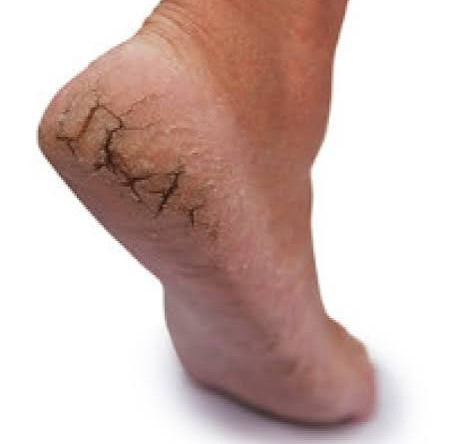
If your heels have transitioned from feeling slightly rough to developing deep, painful cracks that bleed when you walk, you are experiencing something far more serious than a simple callus. Severely dry, cracked feet—medically known as heel fissures—are not just a cosmetic annoyance; they are painful wounds that expose your body to infection. When the skin on your soles becomes incredibly dry and brittle, the natural pressure of walking causes it to split open, creating deep crevices that standard lotions cannot fix.
For patients desperately seeking relief from very dry, cracked, or bleeding skin on their feet, professional sole-centered foot care is the safest and most effective path to healing.
Calluses vs. Heel Fissures: Understanding the Difference
Many people confuse calluses with cracked heels, but understanding the difference is critical to getting the right treatment.
Calluses: A callus is an area of thickened skin that develops in response to repeated friction and pressure. While they can be uncomfortable, they act as a natural defense mechanism for your feet and do not typically bleed or open up.
Heel Fissures (Deep Cracks): When a thick callus becomes severely dehydrated (anhidrosis), the tissue loses its elasticity. As your heel expands with the pressure of your body weight with each step, this dry, inflexible skin violently splits apart. These cracks can penetrate deep into the dermis, exposing nerve endings and blood vessels, leading to sharp pain and bleeding.
If your heels have transitioned from feeling slightly rough to developing deep, painful cracks that bleed when you walk, you are experiencing something far more serious than a simple callus. Severely dry, cracked feet—medically known as heel fissures—are not just a cosmetic annoyance; they are painful wounds that expose your body to infection. When the skin on your soles becomes incredibly dry and brittle, the natural pressure of walking causes it to split open, creating deep crevices that standard lotions cannot fix.
For patients desperately seeking relief from very dry, cracked, or bleeding skin on their feet, professional sole-centered foot care is the safest and most effective path to healing.
Calluses vs. Heel Fissures: Understanding the Difference
Many people confuse calluses with cracked heels, but understanding the difference is critical to getting the right treatment.
Calluses: A callus is an area of thickened skin that develops in response to repeated friction and pressure. While they can be uncomfortable, they act as a natural defense mechanism for your feet and do not typically bleed or open up.
Heel Fissures (Deep Cracks): When a thick callus becomes severely dehydrated (anhidrosis), the tissue loses its elasticity. As your heel expands with the pressure of your body weight with each step, this dry, inflexible skin violently splits apart. These cracks can penetrate deep into the dermis, exposing nerve endings and blood vessels, leading to sharp pain and bleeding.
The Dangers of "DIY" and Salon Fixes for Bleeding Heels
When faced with cracked feet, the instinct is often to book a spa pedicure or take a cheese grater-style tool to the heel in the shower. If your fissures are deep enough to hurt or bleed, these methods are highly dangerous.
The Risk of Infection: A bleeding heel fissure is an open wound. Salon foot baths, reusable tools, and pumice stones can harbor bacteria and fungi. Introducing these to an open crack dramatically increases your risk of staph infections, cellulitis, or severe foot complications (especially for diabetic patients or those with poor circulation).
Tissue Damage: Over-the-counter mechanical scrapers and razor blades strip away living tissue. Aggressive shaving often widens the cracks, worsens the bleeding, and triggers your body to produce even thicker, harder skin in response to the trauma.
Ineffective Lotions: Standard petroleum jelly or thin, scented body lotions trap bacteria without actively breaking down the dense dead skin blocking the healing process.
Why Our Medical Foot Care is the Right Choice
We specialize in sole-centered medical foot care designed specifically to treat and heal severely damaged, cracked, and bleeding skin safely. Here is how our clinical approach provides lasting relief:
Sterile, Painless Debridement: Using specialized podiatric instruments, we safely and precisely shave away the thick, hardened rim of dead tissue surrounding the fissure. This instantly relieves the mechanical pressure pulling the crack apart, allowing the wound to close without reopening every time you take a step.
Clinical Infection Management: We work in a strictly sanitized medical environment using fully autoclaved equipment. If your heel fissures are already infected, we can safely clean the area, apply antimicrobial treatments, and bandage the wounds properly.
Medical-Grade Emollients: We utilize targeted treatments, such as high-concentration urea creams (often 40% or higher). Urea is a keratolytic agent that actively dissolves hard, dead skin while pulling intense moisture deep into the epidermal layers.
Biomechanical Assessment: We do not just treat the symptom; we identify the cause. We analyze your gait, footwear, and foot structure to determine if custom orthotics or targeted padding can permanently redistribute pressure away from your heels.
Frequently Asked Questions About Dry, Cracked, and Bleeding Feet
What is the best medical foot care for dry, cracked skin?
The most effective medical treatment involves professional debridement (safe removal of the hard skin edges by a foot care specialist) combined with prescription-strength moisturizers like urea or salicylic acid. This combination safely removes the barrier of dead skin and infuses the new tissue with deep hydration.
How do I fix deep cracks in heels that hurt to walk on?
If it hurts to walk, do not attempt to file the skin yourself. Keep the area clean, wear supportive shoes with a closed, cushioned heel, and schedule an appointment with our foot care clinic. We will gently reduce the hard edges of the crack and apply medical dressings or liquid skin sealants to close the fissure and stop the pain.
Why are my heels cracking and bleeding even though I moisturize?
If you are applying lotion but still suffering from bleeding heel fissures, you are likely using the wrong type of moisturizer or applying it over a thick callus. Without professional callus removal, moisturizers simply sit on top of the dead skin and cannot penetrate deep enough to restore elasticity. Additionally, underlying factors like thyroid issues, diabetes, psoriasis, or wearing open-backed shoes can constantly counteract your moisturizing efforts.
Should I see a podiatrist or go to a salon for cracked heels?
If you have minor dry skin, a salon is fine for cosmetic upkeep. However, if you are experiencing severe heel cracks, bleeding, or pain, you must see a medical foot care professional or podiatrist. Salons are not legally or medically equipped to treat open wounds, and attempting to do so poses a severe infection risk.
Is a medical pedicure safe for diabetics with dry cracked feet?
Yes. In fact, it is the only safe option. Diabetics are at a high risk for neuropathy (loss of sensation) and poor circulation. A deep heel fissure in a diabetic patient can quickly escalate into a dangerous foot ulcer if exposed to bacteria. Our clinical foot care ensures sterile, precise treatment that protects your overall health.
What is the fastest dry cracked feet treatment near me?
The fastest way to achieve relief is through professional, in-office callus planing. By manually removing the hardened tissue in a single session, we instantly reduce the pressure on the cracks, allowing your skin to begin healing that same day.
If your heels have transitioned from feeling slightly rough to developing deep, painful cracks that bleed when you walk, you are experiencing something far more serious than a simple callus. Severely dry, cracked feet—medically known as heel fissures—are not just a cosmetic annoyance; they are painful wounds that expose your body to infection. When the skin on your soles becomes incredibly dry and brittle, the natural pressure of walking causes it to split open, creating deep crevices that standard lotions cannot fix.
For patients desperately seeking relief from very dry, cracked, or bleeding skin on their feet, professional sole-centered foot care is the safest and most effective path to healing.
Calluses vs. Heel Fissures: Understanding the Difference
Many people confuse calluses with cracked heels, but understanding the difference is critical to getting the right treatment.
Calluses: A callus is an area of thickened skin that develops in response to repeated friction and pressure. While they can be uncomfortable, they act as a natural defense mechanism for your feet and do not typically bleed or open up.
Heel Fissures (Deep Cracks): When a thick callus becomes severely dehydrated (anhidrosis), the tissue loses its elasticity. As your heel expands with the pressure of your body weight with each step, this dry, inflexible skin violently splits apart. These cracks can penetrate deep into the dermis, exposing nerve endings and blood vessels, leading to sharp pain and bleeding.
When faced with cracked feet, the instinct is often to book a spa pedicure or take a cheese grater-style tool to the heel in the shower. If your fissures are deep enough to hurt or bleed, these methods are highly dangerous.
The Risk of Infection: A bleeding heel fissure is an open wound. Salon foot baths, reusable tools, and pumice stones can harbor bacteria and fungi. Introducing these to an open crack dramatically increases your risk of staph infections, cellulitis, or severe foot complications (especially for diabetic patients or those with poor circulation).
Tissue Damage: Over-the-counter mechanical scrapers and razor blades strip away living tissue. Aggressive shaving often widens the cracks, worsens the bleeding, and triggers your body to produce even thicker, harder skin in response to the trauma.
Ineffective Lotions: Standard petroleum jelly or thin, scented body lotions trap bacteria without actively breaking down the dense dead skin blocking the healing process.
Why Our Medical Foot Care is the Right Choice
We specialize in sole-centered medical foot care designed specifically to treat and heal severely damaged, cracked, and bleeding skin safely. Here is how our clinical approach provides lasting relief:
Sterile, Painless Debridement: Using specialized podiatric instruments, we safely and precisely shave away the thick, hardened rim of dead tissue surrounding the fissure. This instantly relieves the mechanical pressure pulling the crack apart, allowing the wound to close without reopening every time you take a step.
Clinical Infection Management: We work in a strictly sanitized medical environment using fully autoclaved equipment. If your heel fissures are already infected, we can safely clean the area, apply antimicrobial treatments, and bandage the wounds properly.
Medical-Grade Emollients: We utilize targeted treatments, such as high-concentration urea creams (often 40% or higher). Urea is a keratolytic agent that actively dissolves hard, dead skin while pulling intense moisture deep into the epidermal layers.
Biomechanical Assessment: We do not just treat the symptom; we identify the cause. We analyze your gait, footwear, and foot structure to determine if custom orthotics or targeted padding can permanently redistribute pressure away from your heels.
Frequently Asked Questions About Dry, Cracked, and Bleeding Feet
What is the best medical foot care for dry, cracked skin?
The most effective medical treatment involves professional debridement (safe removal of the hard skin edges by a foot care specialist) combined with prescription-strength moisturizers like urea or salicylic acid. This combination safely removes the barrier of dead skin and infuses the new tissue with deep hydration.
How do I fix deep cracks in heels that hurt to walk on?
If it hurts to walk, do not attempt to file the skin yourself. Keep the area clean, wear supportive shoes with a closed, cushioned heel, and schedule an appointment with our foot care clinic. We will gently reduce the hard edges of the crack and apply medical dressings or liquid skin sealants to close the fissure and stop the pain.
Why are my heels cracking and bleeding even though I moisturize?
If you are applying lotion but still suffering from bleeding heel fissures, you are likely using the wrong type of moisturizer or applying it over a thick callus. Without professional callus removal, moisturizers simply sit on top of the dead skin and cannot penetrate deep enough to restore elasticity. Additionally, underlying factors like thyroid issues, diabetes, psoriasis, or wearing open-backed shoes can constantly counteract your moisturizing efforts.
Should I see a podiatrist or go to a salon for cracked heels?
If you have minor dry skin, a salon is fine for cosmetic upkeep. However, if you are experiencing severe heel cracks, bleeding, or pain, you must see a medical foot care professional or podiatrist. Salons are not legally or medically equipped to treat open wounds, and attempting to do so poses a severe infection risk.
Is a medical pedicure safe for diabetics with dry cracked feet?
Yes. In fact, it is the only safe option. Diabetics are at a high risk for neuropathy (loss of sensation) and poor circulation. A deep heel fissure in a diabetic patient can quickly escalate into a dangerous foot ulcer if exposed to bacteria. Our clinical foot care ensures sterile, precise treatment that protects your overall health.
What is the fastest dry cracked feet treatment near me?
The fastest way to achieve relief is through professional, in-office callus planing. By manually removing the hardened tissue in a single session, we instantly reduce the pressure on the cracks, allowing your skin to begin healing that same day.


